Saint of the Day Quote: Saint Anthony of Padua

The creator of the heavens obeys a carpenter; the God of eternal…



The creator of the heavens obeys a carpenter; the God of eternal…
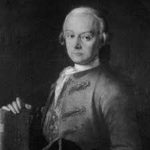
Something for the weekend. Time for the King of Mellow: Pachelbel’s…
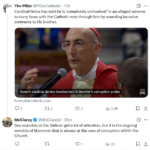
Judas, who stole from the common purse and sold our Lord for…
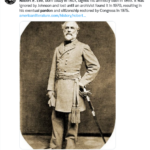
I once sent the government a check for some $35,000.00 to pay…

The usual Open Thread rules apply: be concise, be charitable and,…

We’re in God’s hands, and we are so very well. Saint Paula…
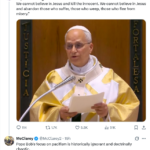
Sometimes he adds in a short, reluctant, comment about a right of…
Well, maybe she outlived her time. Maybe she was a museum piece,…
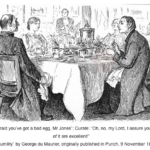
INTRODUCTION If ever one wanted an analogy to show that a flawed…

Today, Melania and I join in prayer with Catholic Bishops…
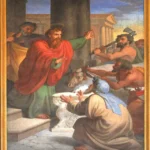
7 And there sat a certain man at Lystra, impotent in his feet,…

However much you hate the mainstream media, you do not hate…

When popes stray from that task chaos often ensues.
If the end brings me out all right, then what is…
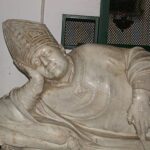
Bishop of Naples in the fourth century. Forced into exile, he was…
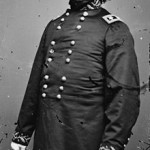
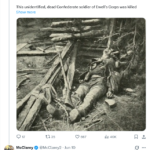
The first battle of the Civil War, Big Bethel was a classic…

This is why I support Trump even though he often irks me. …

God will send two punishments: one will be in the form of…
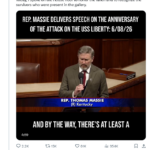
Massie, in all of his Jew hating glory, tried yesterday on…

Surrender? Surrender to whom, you bloody fool! They have no leader! Major…

Firstly, that God’s church and all the Christian people of my dominions…
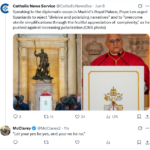
Could we at least have some dressing with the word salad?

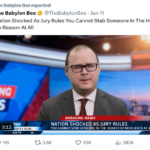
News that I missed, courtesy of The Babylon Bee: SULLIVAN, ME —…
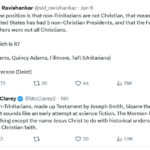
I’ve liked every Mormon I’ve met, but their theology has all the…

When Corpus Christi rolls around I always think of Saint Thomas…
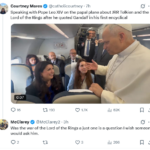
If Liberation Theologians can make a bad faith case for the…
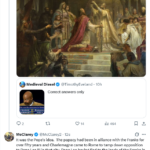
Charles the Great. He found the crown of the Roman…

Time is short. While we have it, let us do good. Saint…
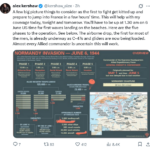
Something for the weekend. FDR’s D-Day prayer. Bonus:
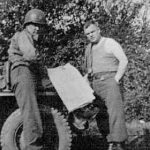
The men of the 5th Ranger Battalion could barely keep from…

Hard to believe that we are coming up on eighty-two years since…
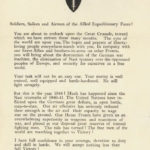
Random observations on D-Day. Churchill and the King– Churchill had begun…
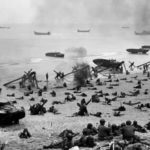
Our men simply could not get past the beach. They were pinned…
Concern about empathy is the entry drug for many ideas foreign…

My mission is to pray for the sanctification of families and…
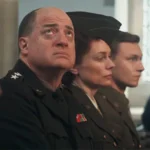
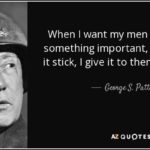
“There is one great thing that you men will all be able…