
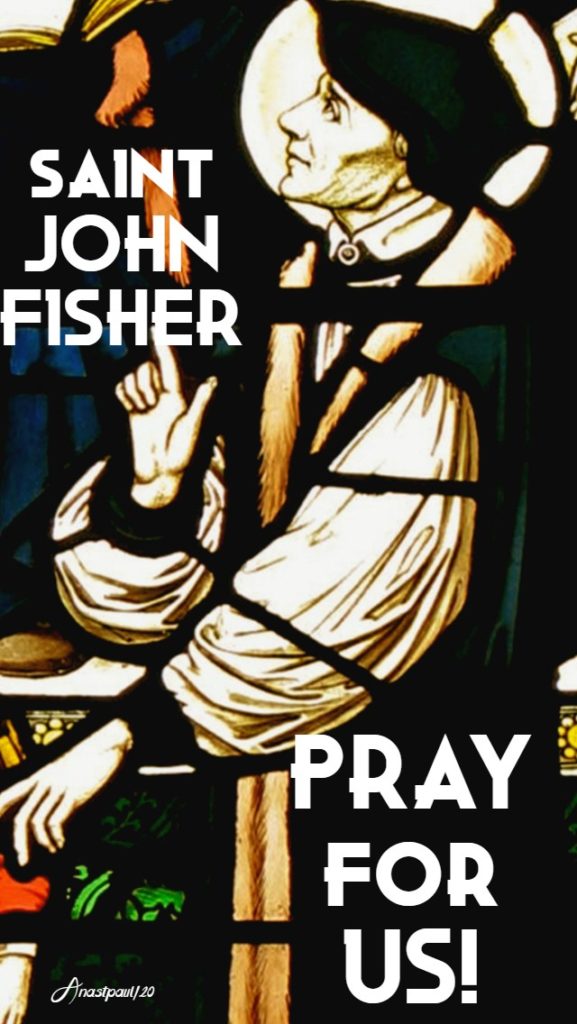
Where are now the kings and princes that once reigned over all the world, whose glory and triumph were lifted up above the earth? Where are now the innumerable company and power of Xerxes and Caesar? Where are the great victories of Alexander and Pompey? Where are now the great riches of Croesus and Crassus? But what shall we say of those who once were kings and governors of this realm? Where are they now whom we have known and seen in our days in such great wealth and glory that it was thought by many they would never have died, never have been forgotten? They had all their pleasures at the full, both of delicious and good fare, of hawking, hunting, also of excellent horses and stallions, greyhounds and hounds for their entertainment, their palaces well and richly furnished, strongholds and towns without number. They had a great plenty of gold and silver, many servants, fine apparel for themselves and their lodgings. They had the power of the law to proscribe, to punish, to exalt and set forward their friends and loved ones, to put down and make low their enemies, and also to punish by temporal death rebels and traitors. Every man held with them, all were at their command. Every man was obedient to them, feared them, also honored and praised them, everywhere now? Are they not gone and wasted like smoke? Of them it is written in another place, mox ut honorificati fuerint et exaltati, dificientes quemadmodum fumus deficient (when they were in their utmost prosperity and fame, they soon failed and came to nothing, even as smoke does) (Ps. 36:2). St. James compares the vanity of this life to a vapor, and he says it shall perish and wither away as a flower in the hay season. (James 4:15).
Saint Cardinal John Fisher
The resistance of More and Fisher to the royal supremacy in Church government was a heroic stand. They realised the defects of the existing Catholic system, but they hated and feared the aggressive nationalism which was destroying the unity of Christendom. They saw that the break with Rome carried with it the risk of a despotism freed from every fetter. More stood forth as the defender of all that was finest in the medieval outlook. He represents to history its universality, its belief in spiritual values, and its instinctive sense of otherworldliness. Henry VIII with cruel axe decapitated not only a wise and gifted counselor, but a system which, though it had failed to live up to its ideals in practice, had for long furnished mankind with its brightest dreams.
Winston Churchill, History of the English Speaking Peoples


The priest at St. Thomas More (Scranton, an Anglican Ordinariate Usage parish) gave a fine homily on St. John Fisher, a martyr to the sacredness of marriage, in the Sunday Mass yesterday. You can get the homily in the Mass podcast from the parish website, http://www.stmscranton.org. BTW, the whole Mass is beautiful.