Donald R. McClarey
Cradle Catholic. Active in the pro-life movement since 1973. Father of three, one in Heaven, and happily married for 43 years. Small town lawyer and amateur historian. Former president of the board of directors of the local crisis pregnancy center for a decade.
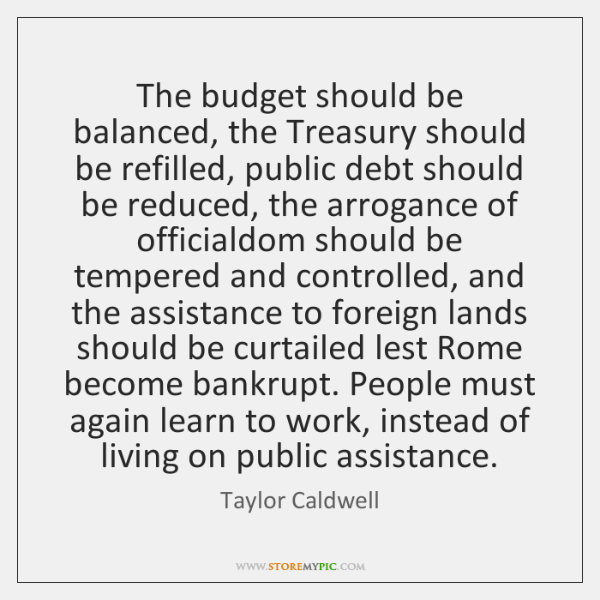



From Ancient History, by Charles A. Robinson, Jr.; page six; The MacMillan Co., NY 1966.
The second century AD was one of peace and prosperity BUT few great books, no new ideas in government, no new arts or sciences – collapse ahead.
By the end of the third century AD Rome suffered labor shortages, but economic stimuli produced no innovation. Outside building and engineering, there was stagnation of technique – disastrously so in agriculture.
Trade deficits – Eastern imports of luxury items were not paid for with exports but with coin – gold drained from Rome.
Budget deficits – Army and bureaucracy (corruption and graft) crushed the Roman World. High on the list of causes of economic decline – growth of health care, housing, education and financial services provided without payment, i.e., bank accounts. Common features: lack of competition, opaque ricing, heavy subsidies, regulatory constraints on supply. THE SOLUTION: government control of economic activity: regulate for public purpose; limit consumers’ ability to borrow to buy specific goods with rapid price rises, also income policies and wage controls.the army and bureaucracy – expanding expenses could not be met by primitive. atrophied economy, couple with labor shortages. Largest expense was the army.
Depopulation/manpower shortages – onerous rents and taxes – farmers and tradesmen could not produce enough to support large families. In-kind taxes kept farmers from profiting on rising prices.
Income Inequality – only large landowners prospered; were practically kings precursor to feudalism; attached peasnats to land; caste system destroyed initiative and Roman life that had existed for centuries;
Migrations – Italian people lost amid a sea of races. Rome had failed to assimilate Hellenistic ideas or even their own culture. No thought – failure to think on a grand scale. Sound familiar?
Constant wars and invasions.