

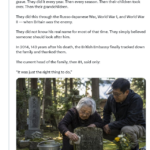


True
Surrender to whom you bloody fool. They have no leader! Major Pitcairn…

Saint of the Day Quote: Saint Edgar the Peaceful
Firstly, that God’s church and all the Christian people of my dominions…
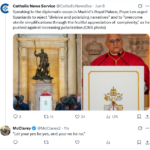
LeoWatch: Word Salad
Could we at least have some dressing with the word salad?

The Oyster Fuehrer Swears It
News that I missed, courtesy of The Babylon Bee: SULLIVAN, ME —…
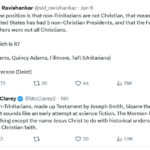
Burn of the Day
I’ve liked every Mormon I’ve met, but their theology has all the…
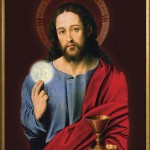
Corpus Christi, the Angelic Doctor and my Wife
When Corpus Christi rolls around I always think of Saint Thomas…
LeoWatch: Lord of the Rings
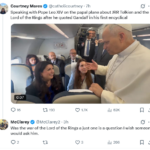
If Liberation Theologians can make a bad faith case for the…
Down Memory Lane With Another Pope Leo
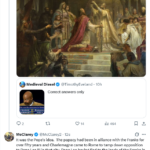
Charles the Great. He found the crown of the Roman…

Saint of the Day Quote: Saint Anthony Mary Gianelli
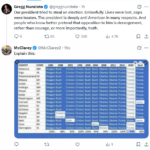
Time is short. While we have it, let us do good. Saint…

Eighty-Two Years Ago Today
Something for the weekend. FDR’s D-Day prayer. Bonus:
Father Ranger
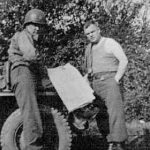
The men of the 5th Ranger Battalion could barely keep from…
D-Day on Film
Hard to believe that we are coming up on eighty-two years since…
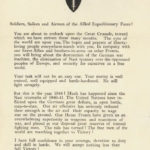
D-Day Factoids
Random observations on D-Day. Churchill and the King– Churchill had begun…

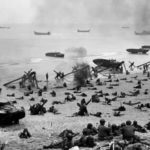
What It Was Like
Our men simply could not get past the beach. They were pinned…
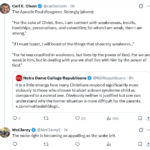
I am so Old That I Can Recall When Notre Dame Was Catholic
Concern about empathy is the entry drug for many ideas foreign…
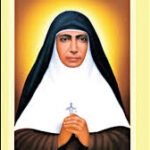
Saint of the Day Quote: Saint Mariam Thresia Chiramel Mankidiyan
My mission is to pray for the sanctification of families and…
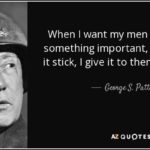
June 5, 1944: Patton Delivers The Speech
“There is one great thing that you men will all be able…
Burn of the Day
The murderous parents received a fair amount of support on…
Saint of the Day Quote: Saint Boniface of Mainz
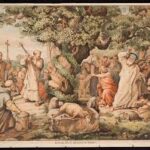
The Church is like a great ship being pounded by the waves…
We Could Use a Lot More Two-Fisted Priests Like This
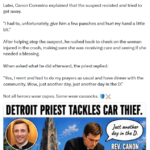
If more vocations are wanted to the priesthood, make certain that…
Add to the List
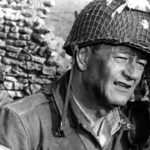
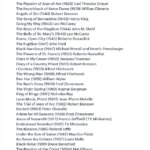
Some additions: Sergeant York (1941) Joan of Arc (1948) Quo Vadis…

Our Great National Calamity
People who speak glibly today about a second civil war do…
Saint of the Day Quote: Saint Mary Elizabeth Hesselblad
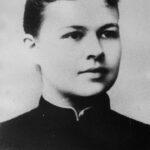
In an instant the love of God was poured over me.…
LeoWatch: Maria Montserrat Alvarado
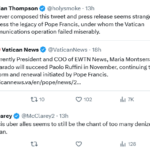
The appointment of the head of EWTN News by Pope Leo…
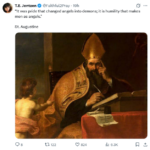

Saint of the Day Quote: Saint Charles Lwanga
Do not be ashamed to confess the cross, for angels glory…

I am Sure the Vatican Will Take Back the Apology of Pope Francis on the Seventh of Never
I am so old that I can recall when Popes did…
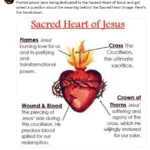
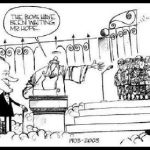
Funny Man Crying
The late Bob Hope was justly famed for his entertainment of troops…
Burn of the Day
A generally good rule of life is to follow the advice you…

Open Thread
The usual Open Thread rules apply: be concise, be charitable and, above…


Saint of the Day Quote: Saint Blandina
I am a Christian, and nothing vile is done…

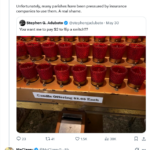
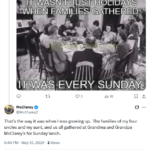
And They Had a Small House Too
I never did graduate to the adult table. I didn’t realize it…
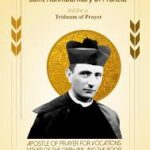
Saint of the Day Quote: Saint Annibale Maria di Francia
“Fall in love with Jesus Christ.” Saint Annibale Maria di…
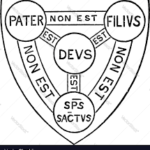
Saint Jerome on the Trinity
Saint Jerome in his sermon on Psalm 41 gave an immortal reflection on the…

Burn of the Day
The way Democrats are beginning to come out against Maine Senate hopeful,…
Word of the Day
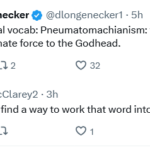
He said he is against the filioque, but I suspect he is…

Saint of the Day Quote: Saint Camilla Battista da Varano
Make peace with yourself, and you no longer have anyone to…